Research
Evolution, conservation, and the technology that makes both easier
Giuliano Colosimo 
My research sits at the meeting point of molecular ecology, movement ecology, and conservation technology. The through-line is island systems: small, isolated populations are natural experiments in evolution, and they are also the populations most likely to disappear while we are still describing them.
Broadly, I work on three questions:
- How do small, isolated populations persist? Population genetic structure, gene flow, and inbreeding in fragmented island habitats.
- What are animals actually doing out there? Remote monitoring of species in places too hostile or too remote for sustained human presence.
- How do we measure welfare in the wild? Extracting physiological signals from low-cost sensors carried by free-ranging animals.
Projects
T. A. Co.
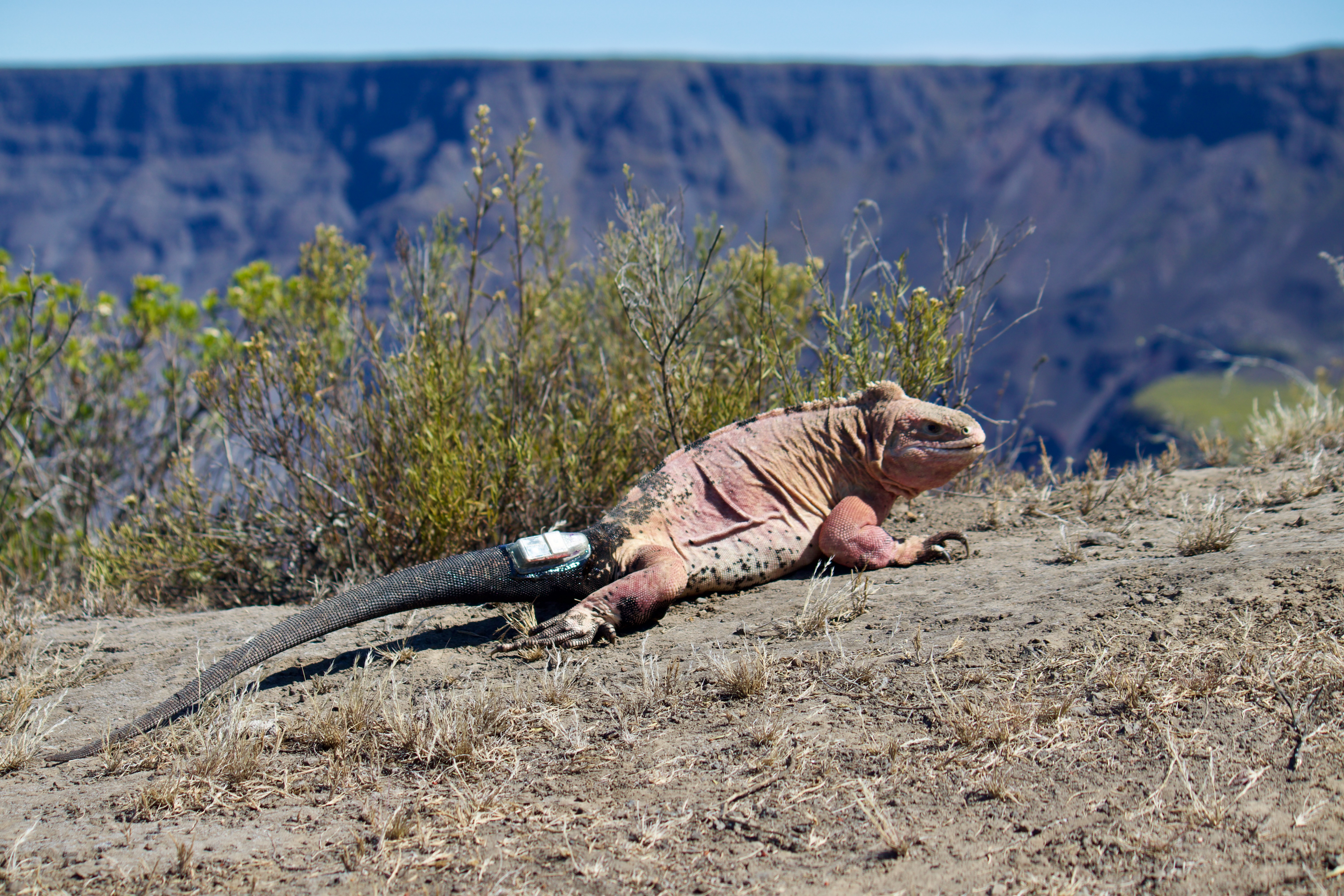
A miniaturised, low-cost system for remotely monitoring critically endangered species. Built for the Galapagos pink land iguana (Conolophus marthae), which lives only on the slopes of Wolf Volcano — an area so remote that conventional monitoring is nearly impossible.
M. A. C. R. A.
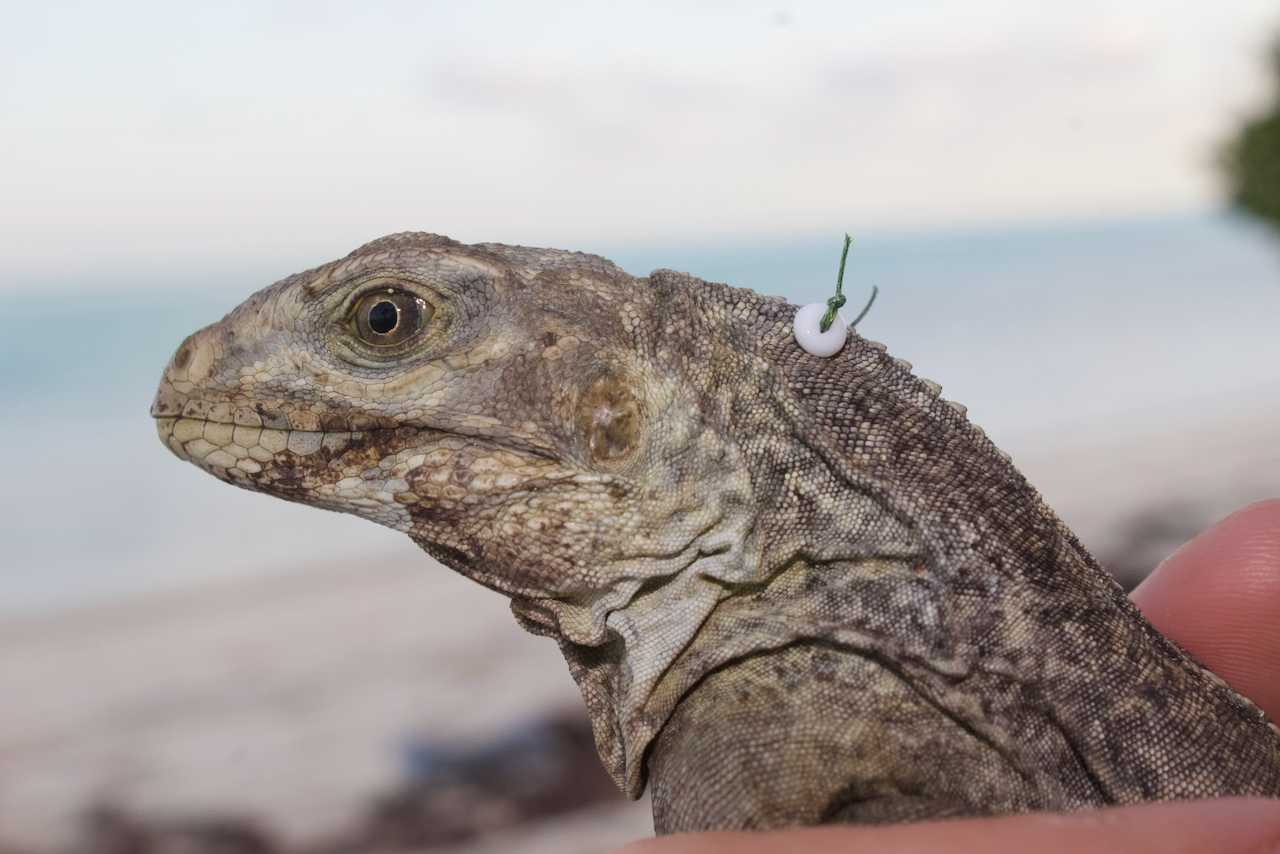
Machine learning methods borrowed from particle physics at CERN, applied to inertial measurement data, to recover cardiac and respiratory rates in wild and domestic animals — non-invasively, in their own habitat.
GEPHAST
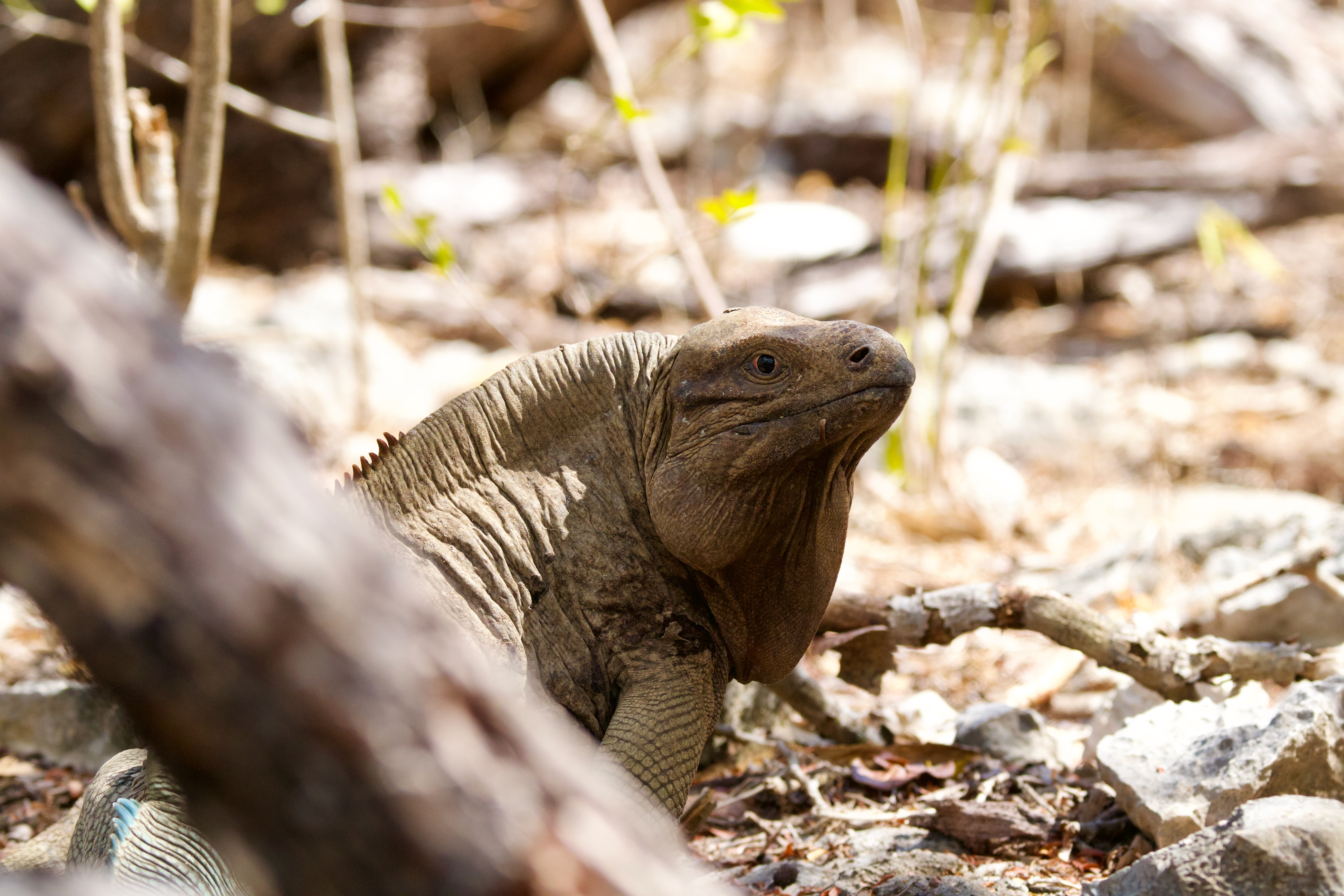
Tools for linking genetic variation to measurable traits in wild populations, developed alongside my work on Cyclura population genetics in the Caribbean.
Island conservation genetics
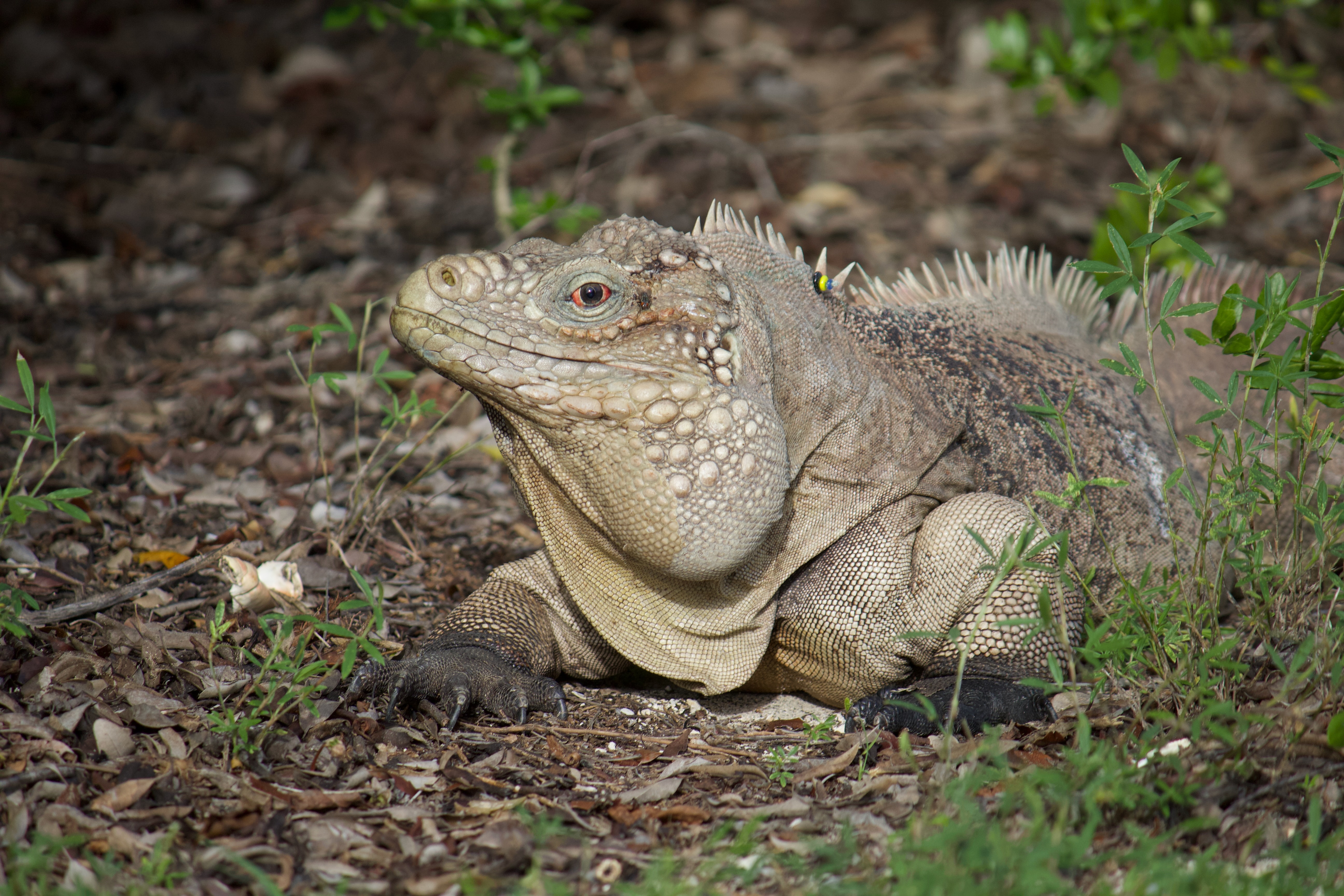
Population structure, gene flow, and inbreeding in Cyclura and Conolophus across highly fragmented island habitats — the thread that runs from my PhD through to current work.
Field sites
Most of my fieldwork has taken place in the Turks and Caicos Islands, The Bahamas, the British Virgin Islands, the Cayman Islands, and the Galapagos Archipelago, with laboratory work split between Mississippi State University, the San Diego Zoo Wildlife Alliance, and the University of Rome Tor Vergata.
Fieldwork is not incidental to this research — it is most of it. A decade of organising and running sample-collection missions in remote places has shaped what questions I think are worth asking, and which ones are actually answerable.
Collaboration
I am a member of the IUCN-SSC Iguana Specialist Group, and much of my work is collaborative by necessity: island conservation crosses jurisdictions, disciplines, and institutions. If you are working on something adjacent, please get in touch.